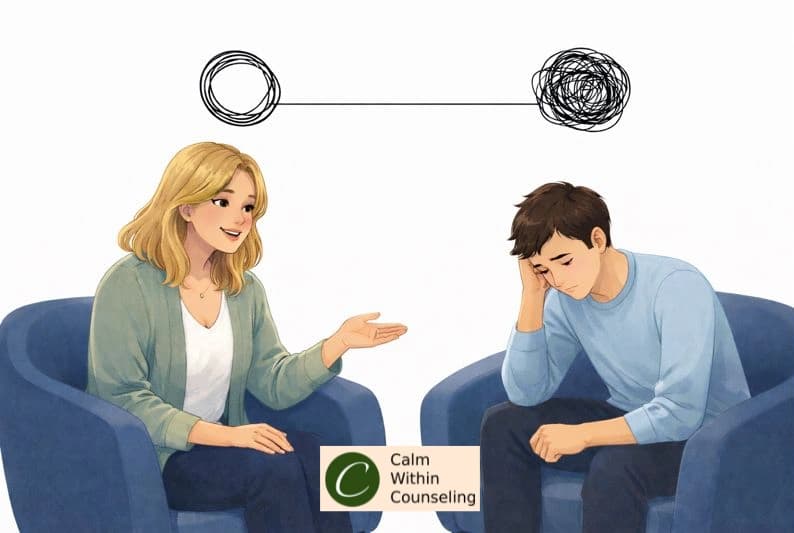
How to Know If It’s Time to Start Therapy and What to Expect in the First Sessions
Starting therapy can feel like a big step, but it’s often a positive move towards better mental health. Some people put it off because they’re unsure if they really need it or they’re nervous about what therapy involves. Let’s talk about when it might be time to start therapy and what you can expect in those first few sessions. This way, you’ll feel more prepared and less anxious about taking that step.
I’ll give you some practical tips, share insights backed by research, and offer examples that will help you find the right therapist and get ready for your therapeutic journey. If you’re thinking about counseling, you might want to check out how individual counseling services can be customized to fit your needs, and what you can do ahead of your first appointment to get the most out of those initial meetings.
Signs It Might Be Time to Start Therapy
Deciding when to start therapy starts with being honest with yourself and noticing if there are patterns that are messing with your daily life. Many people wait until things get really bad, but getting help early can lead to quicker and longer-lasting improvements. Let’s look at some common signs that you might benefit from professional help, and back it up with some solid research so you can make a smart choice.
Feeling Down or Anxious for a Long Time
If you’re feeling sad, hopeless, constantly worried, or panicky for weeks or months, and it’s affecting your daily life, therapy could help. These feelings can sometimes mean you’re dealing with something like depression or anxiety, which are common but treatable with therapy and sometimes medication. The National Institute of Mental Health shares data and treatment advice that shows getting help early often leads to better outcomes (NIMH).
Struggling with Life’s Ups and Downs
Big changes like a divorce, losing a job, moving, or losing someone close can be really tough to handle. If you’ve tried things like journaling, working out, or talking to friends and it’s not enough, a therapist can help you find new ways to cope and solve problems that fit your life. Therapy offers a safe space to learn and practice these new skills.
Issues with Relationships, Work, or Daily Activities
When your symptoms start affecting your relationships, job, or social life, it’s a good sign you might need some support. Problems with friends, family, coworkers, or a drop in your productivity can often be where others notice changes in you. If people around you are suggesting you get help, it might be worth listening to them.
What to Expect in the First Therapy Sessions
The first few sessions are all about getting to know your therapist, sharing your background, and making a plan for what you want to work on. Each therapist has their own way of doing things, but here’s what you can generally expect. Knowing what’s ahead can help ease any nervousness and set up a good start for your therapy.
Building Trust with Your Therapist
Therapists focus on creating a safe and non-judgmental space in the beginning. You’ll usually talk about why you’re there, what you hope to achieve, and any pressing issues you have. Trust takes time to build, and therapists understand that you may take a while to open up. They’ll respect your pace while encouraging you to be honest.
Sharing Your Background and Setting Goals
You’ll likely fill out forms about your personal history, medical background, current symptoms, and what you want from therapy. This helps the therapist make tailored recommendations and ensure your safety. Some might use standardized tools to measure how you’re doing over time, which helps to adjust the treatment to fit your needs.
Setting Goals and Going Over the Basics
In the first sessions, you and your therapist will usually set goals together, discussing what you want to achieve in therapy. You’ll also go over things like confidentiality, cancellation policies, how often you’ll meet, and any homework you might have between sessions. This clear communication helps prevent misunderstandings and keeps things moving forward.
Common Questions and Concerns About Starting Therapy
It’s normal to have questions before you start therapy: Will it work? How long will it take? How do I find the right therapist? Let’s address some of these questions with straightforward answers to help ease your worries and encourage you to take that step.
Is Therapy Right for Me?
Therapy isn’t only for mental health conditions. It’s also great for personal growth, dealing with life changes, and improving how you cope with things. The Cleveland Clinic and other health experts recommend therapy for anyone dealing with emotional stress, conflicts with others, or changes in behavior (Cleveland Clinic). If you’re on the fence, many therapists offer a first consultation to chat about your needs and goals before you decide to continue.
Finding the Right Therapist
Picking a therapist involves looking at their specialties (like anxiety or trauma), the methods they use (like CBT or psychodynamic), and practical stuff like scheduling and costs. Ask about their experience with your issues, how they work, and how they check progress. Feeling comfortable and listened to in the first meeting is a good sign they might be the right fit.
What If I Don’t Feel Comfortable?
It’s common to feel uneasy at first, and it doesn’t always mean the therapist isn’t right for you. If you’re not comfortable after a few sessions, talk to your therapist about it. Many appreciate feedback and can adjust their approach. If things don’t improve, it’s okay to look for someone new. Finding someone you click with is key for therapy to work.
Types of Therapy and Which Might Suit You
Therapy isn’t one-size-fits-all. Different approaches and formats work for different people and issues. Knowing your options helps you make better choices about what therapy will be like.
Cognitive Behavioral Therapy (CBT) and Other Approaches
CBT is a structured way to help you change unhelpful patterns of thinking and behavior. It’s well-researched and works for anxiety, depression, OCD, and more. Other methods like Acceptance and Commitment Therapy (ACT) and Dialectical Behavior Therapy (DBT) offer skills for managing emotions and stress.
Exploratory Therapies
Therapies like psychodynamic and humanistic approaches focus on understanding yourself and the role of your therapist in your change process. These can help with deep-seated relationship patterns or exploring big emotional themes. These approaches can take longer than more focused methods.
Different Formats: Individual, Group, Family, and Online Therapy
You can have therapy individually, in groups, with family, or online. Group therapy offers peer support and can be more affordable, while family therapy helps with family dynamics. Online therapy makes it easier to keep sessions regular, especially if you’re busy or far from a therapist’s office. If you’re a parent looking into therapy for your child or teen, consider options like online therapy for children or telehealth services for teens which offer special strategies and involve parents in the process.
How to Find the Right Therapist for You
Finding a therapist is both a science and an art. It’s about matching clinical fit with practical needs and personal comfort. Having a checklist and being open to a few initial meetings can help you find a therapist who really supports your goals.
Know What You Want First
Before you start looking, get clear on what you want from therapy: symptom relief, better coping skills, relationship help, or personal growth. Decide if you want in-person or online sessions, and whether you’ll use insurance or pay yourself. Clear goals make your search more focused and help during the first meetings.
Questions to Ask During Consultations
Ask potential therapists about their experience with your concerns, what methods they use, how they structure sessions, and how they handle crises. These questions give you a good sense of whether they’ll work well for you. Many therapists offer a short phone chat to answer these questions before you book a full session.
Practical Considerations
Things like insurance coverage, sliding scale fees, and appointment times matter for sticking with therapy long-term. Online therapy has made it easier to work with therapists outside your area but still get quality care. If family involvement is needed, look into services like family therapy services to make sure everyone gets the support they need.
Getting Ready for Your First Sessions
Preparing can make you less anxious and help you and your therapist use your time better. A few practical steps before your first appointment can set a good pace and ensure your sessions focus on what matters most.
Steps to Get Ready
Gather info like your medications, past diagnoses, previous therapy experiences, and a summary of recent stressors. Be ready to explain why you’re seeking therapy now and what you want to change. Having these ready helps speed up the assessment and gives your therapist important context.
What to Bring and How to Prepare
Bring any forms you need to fill out, a notebook for notes, and a list of top concerns or questions. Organize your thoughts around a few main goals or issues to discuss, so you can stay focused. If talking about emotional stuff feels hard, plan some prompts or examples to help you communicate clearly.
Calming Your Nerves Before the Appointment
Try deep breathing, grounding exercises, or a short walk before your session. Remember, your therapist is there to help, not judge, and feeling a bit uncomfortable at first is normal. Bringing a friend for support (they don’t have to attend the session) or setting a time afterwards to reflect can also help ease your nerves.
Examples and Outcomes from Therapy
While specific client stories are kept private, shared examples and outcomes can show how therapy usually goes and what progress might look like. Seeing these examples can help set your expectations and show that there are many ways therapy can unfold.
Example: Managing Anxiety
Think of someone dealing with constant worry that messes up their sleep and work. Early sessions might include assessments and introducing techniques like cognitive restructuring. Over months, they might see worry decrease, sleep improve, and learn routines that help them cope better. This kind of progress is common with structured interventions.
Example: Teen Facing Social Withdrawal
A teen struggling with social anxiety and avoiding school might work with a therapist using exposure strategies and involving family for at-home practice. Parents might get coaching, and schools could be involved when needed. Over time, the teen might engage more socially, return to activities, and gain academic confidence. If you’re considering similar help, our online therapy for teens offers age-appropriate care and support.
Checking Progress and Timeframes
How long therapy takes depends on the issue and approach: some things might improve in 8-16 sessions, while deeper work might last months or years. Many therapists use progress checks and goal reviews to adapt the therapy as needed. Regularly looking at goals makes sure therapy stays on track and helps celebrate successes.
Common Therapy FAQs
A lot of people wonder about things like confidentiality, how long therapy lasts, and what to do if progress is slow. Here are some straightforward answers to those common questions.
How Long Will Therapy Take?
Therapy duration depends on your goals, how serious your concerns are, and the therapy type. Short therapies can be effective in 8-20 sessions, while deeper work might take longer. Talk timelines with your therapist and review progress often to keep sessions effective.
What If I Don’t See Improvement?
If you’re not seeing progress, talk to your therapist. You can adjust the plan together, maybe by changing techniques or seeing another specialist. It’s normal for therapy to plateau sometimes; communication and flexibility help you move past these phases.
How Is Confidentiality Handled?
Therapists will explain confidentiality rules during intake, including exceptions like harm or abuse reporting. Knowing your therapist’s policy helps build trust. If privacy is a concern, talk about it early so you can agree on boundaries before proceeding.
Insights and Resources on Therapy
New trends show more acceptance of therapy, growth in online services, and a focus on evidence-based treatments. National organizations and research bodies offer great resources to learn more about mental health and therapy options.
Trends: Online Therapy and Measurement-Based Care
Online therapy has improved access, especially for people in remote areas, and offers flexible scheduling. Using standardized tools to track symptoms is becoming common and helps tailor treatment. Combining mental health care with primary care is also growing, improving early detection and provider collaboration.
Helpful Resources
For more on therapy types and what to expect, check out the American Psychological Association's resources (APA). For mental health statistics and treatment info, the NIMH website is a trusted resource (NIMH). For youth mental health trends, the CDC provides data and guidance (CDC).
Tips for a Successful Start
Experts suggest setting clear goals, keeping open communication, and sticking with sessions for several weeks to see change. Homework and practice between sessions help reinforce learning, and regular progress reviews refine strategies. If you’re unsure where to begin, a short consultation with a qualified therapist can clarify your needs.
Conclusion: Taking the First Step
Starting therapy is a brave and practical move toward healthier coping, stronger relationships, and a more satisfying life. Recognizing when to start often comes down to whether your emotions are sticking around, disrupting your daily life, or affecting your relationships and work. The first sessions focus on building trust, assessing needs, setting goals, and clarifying logistics so you can move forward with a clear plan.
If you’re ready to explore therapy, consider starting with a brief consultation to discuss your goals and whether a particular therapist or approach is a good fit. Our team at Calm Within Counseling offers compassionate telehealth options across Michigan and the United States and can help match you to the right services—from individual work to family-focused care. Learn more about our offerings for personal growth and mental wellness, including one-on-one therapy aimed at supporting lasting change.
When you’re ready, reach out to Calm Within Counseling to schedule an appointment. Call us at (734) 593-1484 or email Keylea@Calmwithincounseling.com. If you want to explore self-help strategies while planning, check our mindfulness resource guide: Your Go-To Guide for Mindfulness and Meditation Techniques. For family-focused issues, our family therapy services can improve communication and connection.
Taking the first step doesn’t mean you’re committing to a long journey without choice—it means you’re opening a space for change and partnering with a professional who can guide you. If you have questions about how therapy works, whether it’s right for your situation, or how to choose a provider, call or email us today and we’ll help you find the best path forward.
Need More Info?
If you’d like immediate resources or to schedule a consult, use the contact details above or visit our services pages to find the best match for your needs. Whether you’re an individual seeking focused support, a parent exploring care for a child, or a family hoping to restore connection, Calm Within Counseling offers evidence-based, person-centered telehealth services to meet you where you are.


.png&w=640&q=75)